
Feasibility of UN 2030 Sustainable Development Goals Questioned in United States Trend
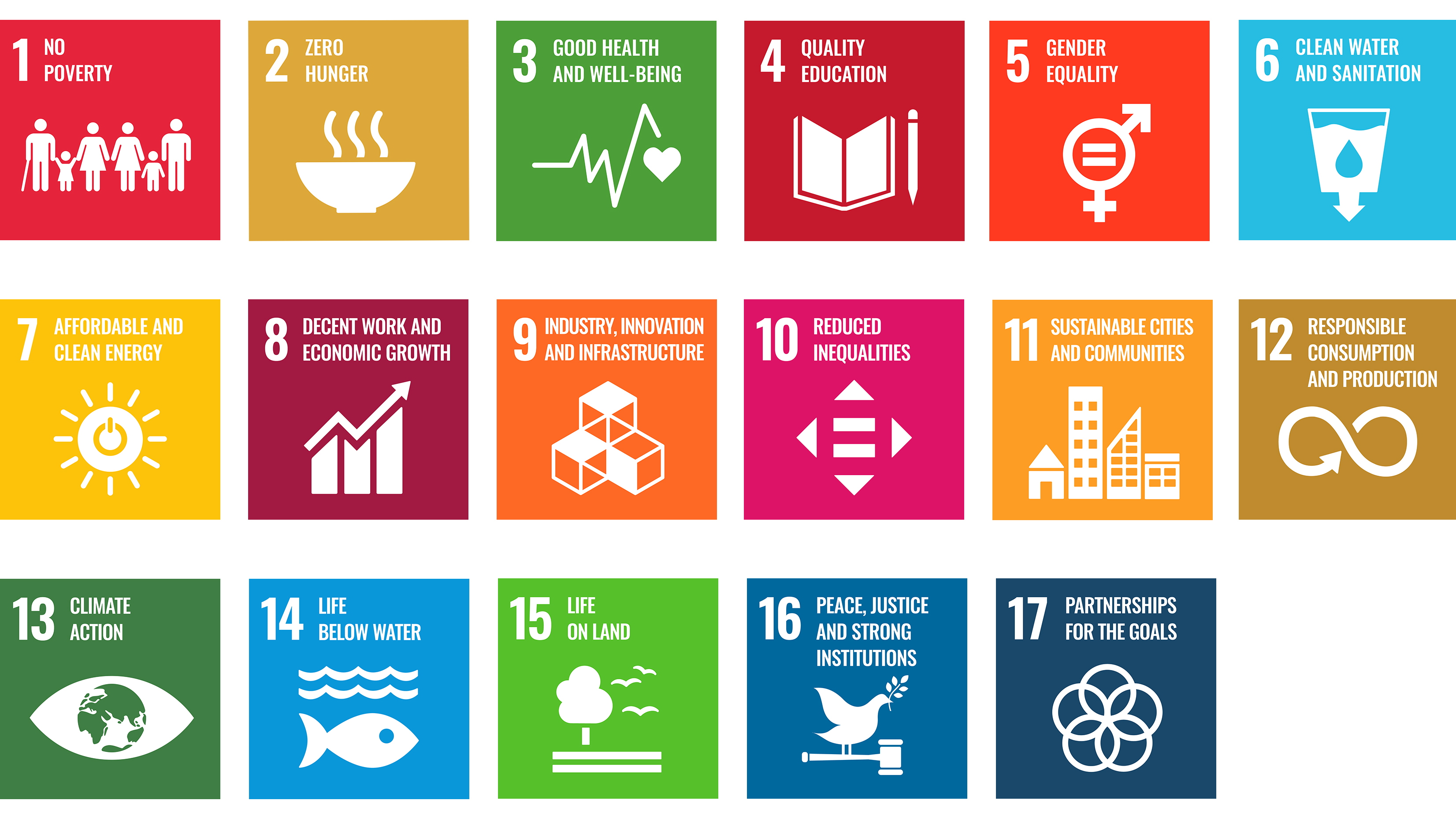
A trending topic in the United States questions the feasibility of meeting any of the United Nations' 17 ambitious Sustainable Development Goals by the 2030 deadline.
 Baltimore, MD, September 18, 2026 —
A notable trend emerging within the United States is casting doubt on the viability of achieving the United Nations’ 17 Sustainable Development Goals (SDGs) by their target date of 2030.
The United Nations established these 17 goals, which are an urgent call for action by all countries – developed and developing – in a global partnership. They recognize that ending poverty and other deprivations must go hand-in-hand with strategies that improve health and education, reduce inequality, and spur economic growth – all while tackling climate change and working to preserve our oceans and forests. The SDGs are intended to be a blueprint to achieve a better and more sustainable future for all, addressing the global challenges we face, including those related to poverty, inequality, climate, environmental degradation, prosperity, peace, and justice. However, the current trending discourse in the United States raises significant questions about whether these ambitious targets can realistically be met within the stipulated timeframe.
The specific origins and drivers behind this trending sentiment are not detailed in the provided summary. Similarly, the summary does not specify which particular goals are facing the most scrutiny, nor does it elaborate on the reasons or evidence being cited to question their feasibility. Information regarding any specific organizations, policymakers, or public figures leading this questioning, or any particular data points being referenced, is not available in the summary.
The 17 Sustainable Development Goals, adopted by all UN Member States in 2015, provide a shared blueprint for peace and prosperity for people and the planet, now and into the future. They include specific targets to be achieved by 2030. The emergence of doubt regarding the feasibility of meeting any of these goals by the 2030 deadline signifies a critical point in ongoing global sustainability efforts, prompting further examination of progress and challenges.
Further details regarding the scope, nature, and widespread adoption of this questioning trend within the United States, as well as the specific concerns driving it, are not provided in the source summary.
Story summarized from the original created by Kamala Thiagarajan on www.npr.org, see more information here.
Media gallery
