
Drought Conditions Expose Navigational Hazards at Clarks Hill Lake
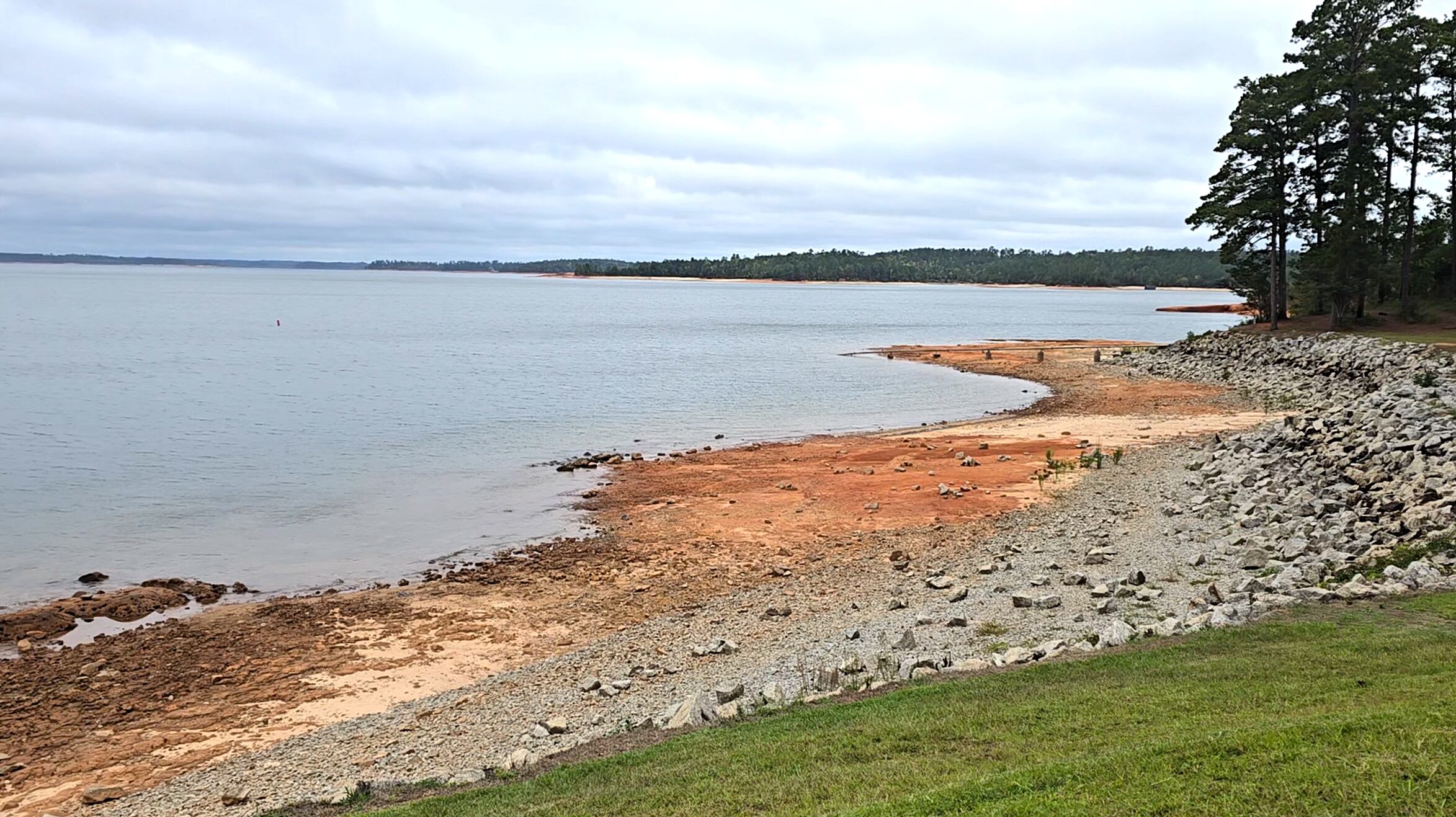
Clarks Hill Lake in the Augusta-Aiken region is experiencing significantly low water levels due to drought, leading to the exposure of submerged stumps and shoals, which creates navigational hazards for boaters.
 Augusta Aiken, GA, September 24, 2026 —
Significant drought conditions gripping the Augusta-Aiken region have led to drastically low water levels at Clarks Hill Lake. This environmental shift is now presenting a growing concern for recreational users, particularly boaters, as submerged obstacles are becoming increasingly exposed and creating hazardous navigation conditions.
The receding water line at Clarks Hill Lake has uncovered a substantial number of submerged stumps and shoals that were previously beneath the surface. These previously hidden features pose a direct risk of damage to watercraft and could potentially lead to serious accidents for those operating boats on the lake. Boaters are being urged to exercise extreme caution due to the altered underwater landscape.
The current low water levels are a direct consequence of ongoing drought conditions affecting the area. While the exact duration and severity of the drought were not specified in the available information, its impact on the lake’s water volume is evident. The exposed hazards are a stark reminder of the lake’s reliance on consistent rainfall for maintaining safe recreational conditions.
Authorities and local entities responsible for monitoring lake conditions have not yet released specific advisories beyond the general awareness of increased hazards. Information regarding any planned dredging, buoy placement, or specific navigational warnings to mitigate these risks was not immediately available. The full extent of the impact on the lake’s ecosystem and its long-term management in light of these persistent low water levels remains an evolving situation.
Navigating Clarks Hill Lake during this period requires increased vigilance from all boaters. A thorough understanding of the lake’s current topography, reduced navigable channels, and the presence of submerged debris is essential for safety. The situation underscores the sensitivity of large bodies of water to prolonged periods of reduced precipitation and the direct impact these have on public safety and recreational access.
Story summarized from the original created by Malik Bryant on www.wrdw.com, see more information here.
Media gallery
