Unidata Expands Liveness Data Coverage for Underrepresented Faces
Biometric systems can perform differently across demographic groups. Unidata expands liveness datasets to reduce gaps
Press Release Disclaimer: This is a press release distributed through the XPR Media network. It has not been independently verified by our newsroom.
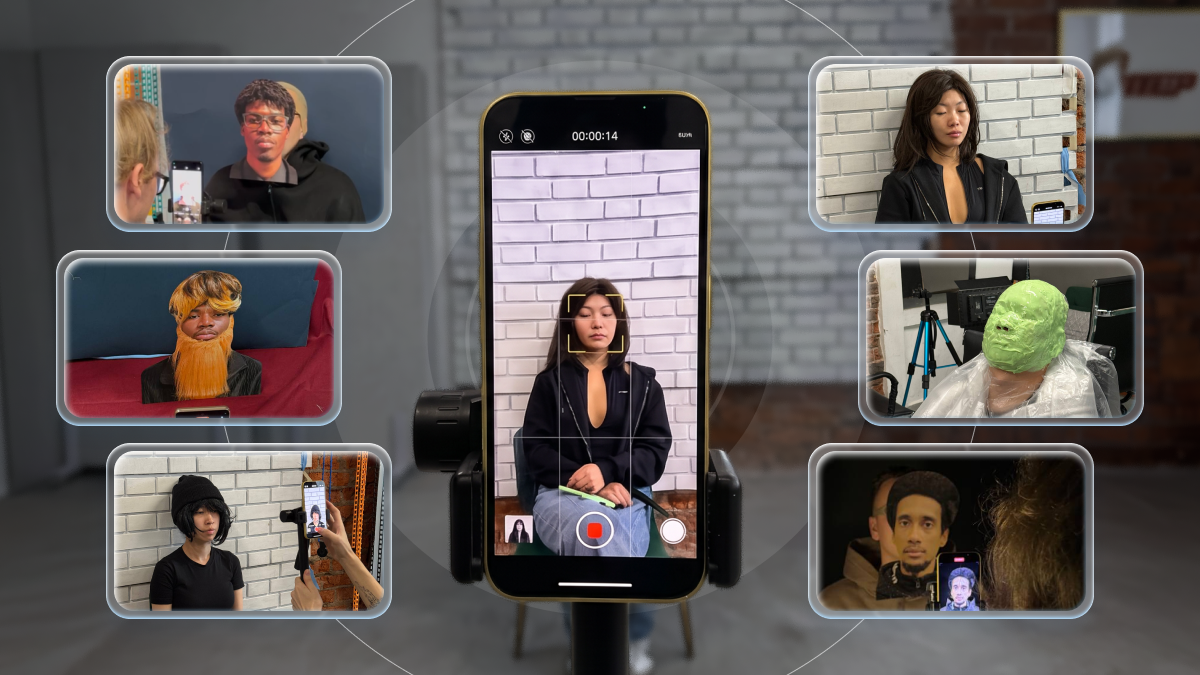

Biometric systems can perform differently across demographic groups. Unidata expands liveness datasets to reduce gaps and improve anti-spoofing robustness.
DUBAI, UNITED ARAB EMIRATES, October 9, 2026 /EINPresswire.com/ — Detecting a fake face is only half the challenge. Biometric systems also need to perform consistently across demographic groups. Unidata is building liveness datasets that pair underrepresented faces with high-fidelity presentation attacks to support more robust training and evaluation.
A 2026 study of facial presentation attack detection (PAD) found a 3.07 percentage-point accuracy gap between African and East Asian subjects. The findings add to years of evidence from NIST that biometric systems can perform differently across demographic groups, including in presentation attack detection.
NIST’s 2023 evaluation of 82 passive PAD algorithms also found substantial differences in demographic representation in its bona fide dataset: 15,131 images of White subjects versus 3,583 Black and 1,400 Asian subjects.
Unidata’s Model Testing on client systems shows the same imbalance. Error rates reach up to 5%, with models misclassifying real users more often than presentation attacks. The errors are unevenly distributed across user groups, showing why demographic coverage matters in liveness data: representation alone is not enough if some groups remain underrepresented in the data used to train and test a model.
To address this gap, Unidata is expanding its liveness collection with additional African, Latin American and Asian participants. The collection covers 50 IDs and 53,870 videos, with the full attack set recorded on the same people:
20 IDs without silicone masks, 1,018 videos per ID
30 IDs with silicone masks, 1,117 videos per ID
The set combines printed 2D attacks, replays on monitors, tablets and phones, and silicone masks. Head-movement sequences are recorded on both real faces and attacks, including silicone masks, giving developers data to test whether a system can distinguish natural movement from an attack in motion.
Why attack quality matters
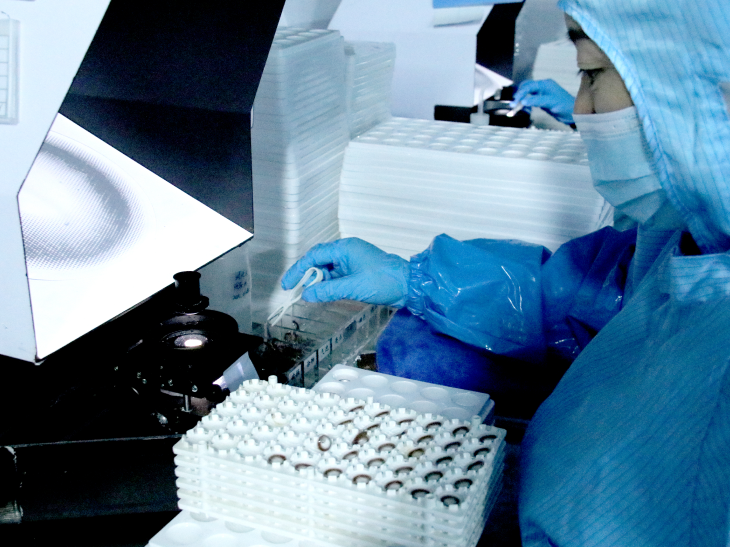
The value of a liveness dataset depends on how closely an attack reproduces a real face. Latex holds its shape poorly and reads as a mask on camera, while Unidata’s silicone masks are cast from a full plaster mold of each participant’s face.
Participants are told in advance how their data will be used: for training and testing liveness detection, with the face cast serving only to make a silicone attack inside the dataset. Participation is paid, and participants can withdraw at any time. Sessions last three to four hours, each participant works with an individual operator, and the day begins with a tour of the site and an introduction to the biometric testing process. Annotation covers technical characteristics and metadata only, without identifying participants.
To widen the geography, Unidata recruits through casting and model agencies, specialized platforms, personal contacts and international contractors rather than drawing repeatedly on the same pool.
About Unidata
Unidata is a UAE-based data collection and labeling company with 9+ years of experience. It provides end-to-end collection, annotation and delivery services, with SLA-backed timelines and dedicated project managers. Unidata works with a global roster of enterprise clients, and its biometrics practice builds liveness and anti-spoofing datasets for developers of verification systems.
Eugenia Trofimova
Unidata
e.trofimova@unidata.pro
+34 667 87 86 45
Visit us on social media:
LinkedIn
Legal Disclaimer:
EIN Presswire provides this news content “as is” without warranty of any kind. We do not accept any responsibility or liability
for the accuracy, content, images, videos, licenses, completeness, legality, or reliability of the information contained in this
article. If you have any complaints or copyright issues related to this article, kindly contact the author above.

Media gallery